
Power distribution systems are crucial for ensuring the smooth functioning of electrical equipment in various industries, commercial setups, and residential areas. At the core of these systems are the Low Tension (LT) and High Tension (HT) panels, which play vital roles in distributing electricity safely and efficiently. Understanding the key differences between LT panels and HT panels is essential for those involved in electrical maintenance or installation.
This article will explore these differences and help you better understand their functions and applications.
What Are LT Panels?
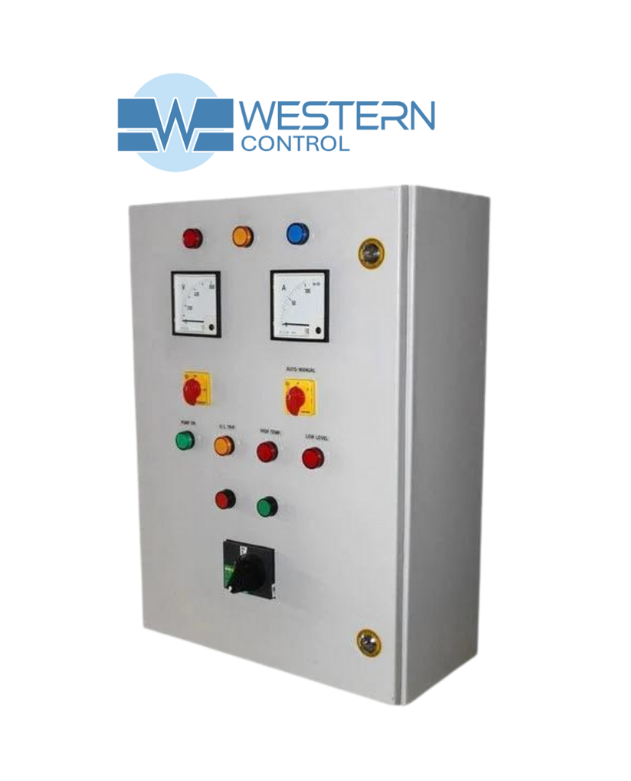
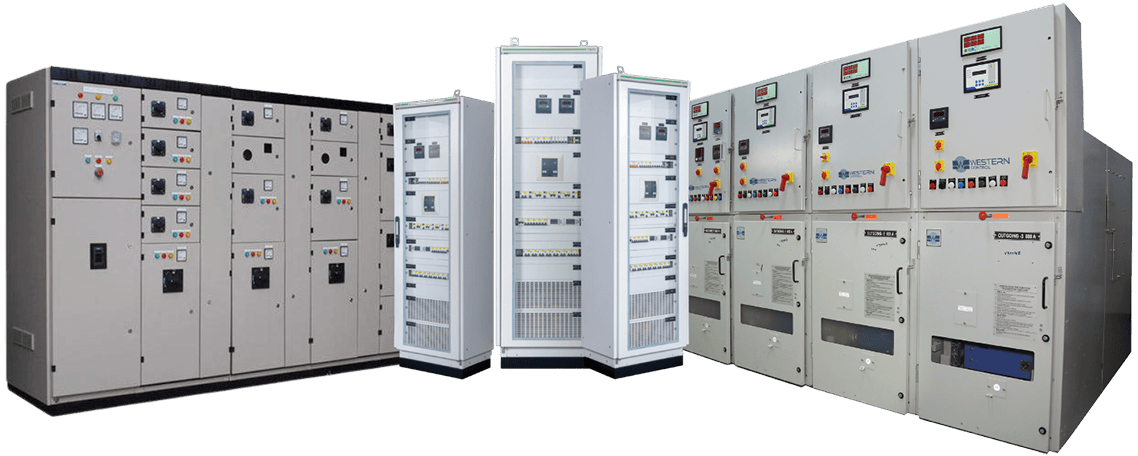
LT panels, or Low Tension panels, are electrical distribution panels used in systems that operate at a voltage below 1000 volts. These panels are commonly used in residential buildings, small-scale industries, and commercial establishments. They manage and distribute power to different circuits within a facility, ensuring that the electrical load is balanced and that each circuit receives the necessary voltage.
Features of LT Panels
Voltage Range: LT panels operate within the voltage range of up to 1000 volts.
Applications: Used in domestic buildings, small businesses, and commercial spaces.
Design: LT panels are generally compact and designed for ease of use in low-power applications.
Protection: These panels are equipped with various protective devices, such as fuses and circuit breakers, to safeguard against electrical faults.
Advantages of LT Panels
Safety: LT panels offer a safer voltage range, making them ideal for everyday electrical systems in homes and small industries.
Cost-Effective: These panels are relatively affordable and cost-effective, which makes them a popular choice for small-scale applications.
Ease of Installation: LT panels are easier to install and maintain compared to HT panels due to their simpler designs and lower voltage operations.
What Are HT Panels?
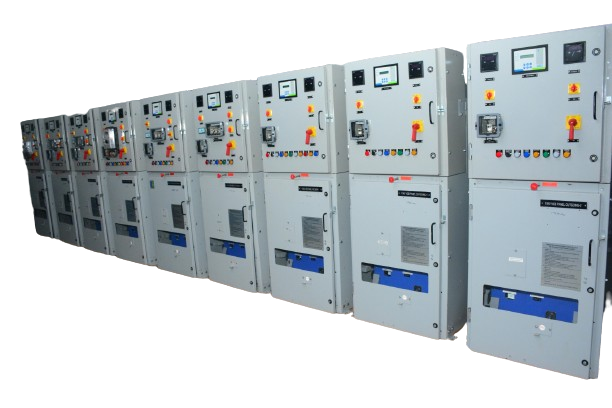
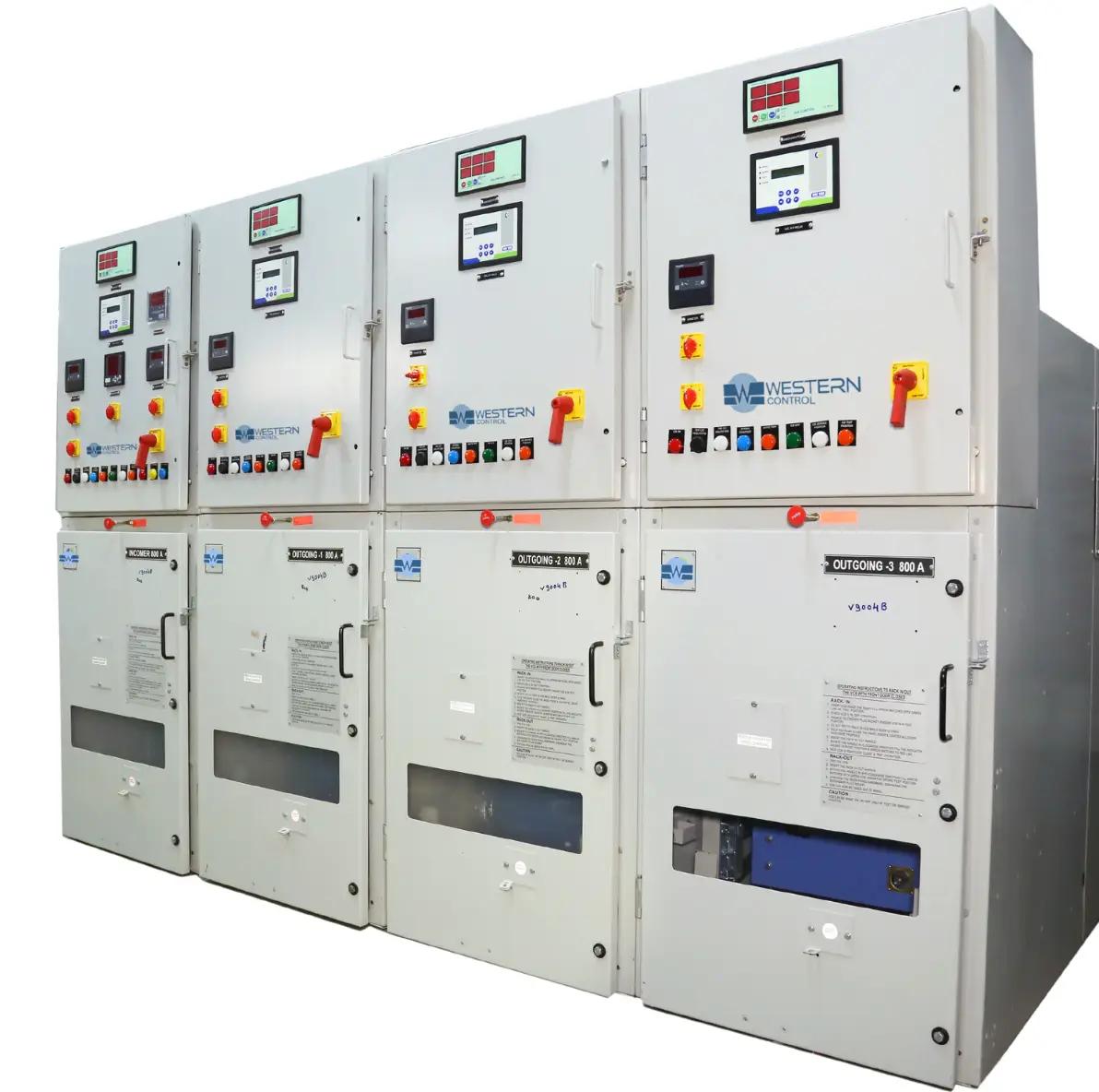
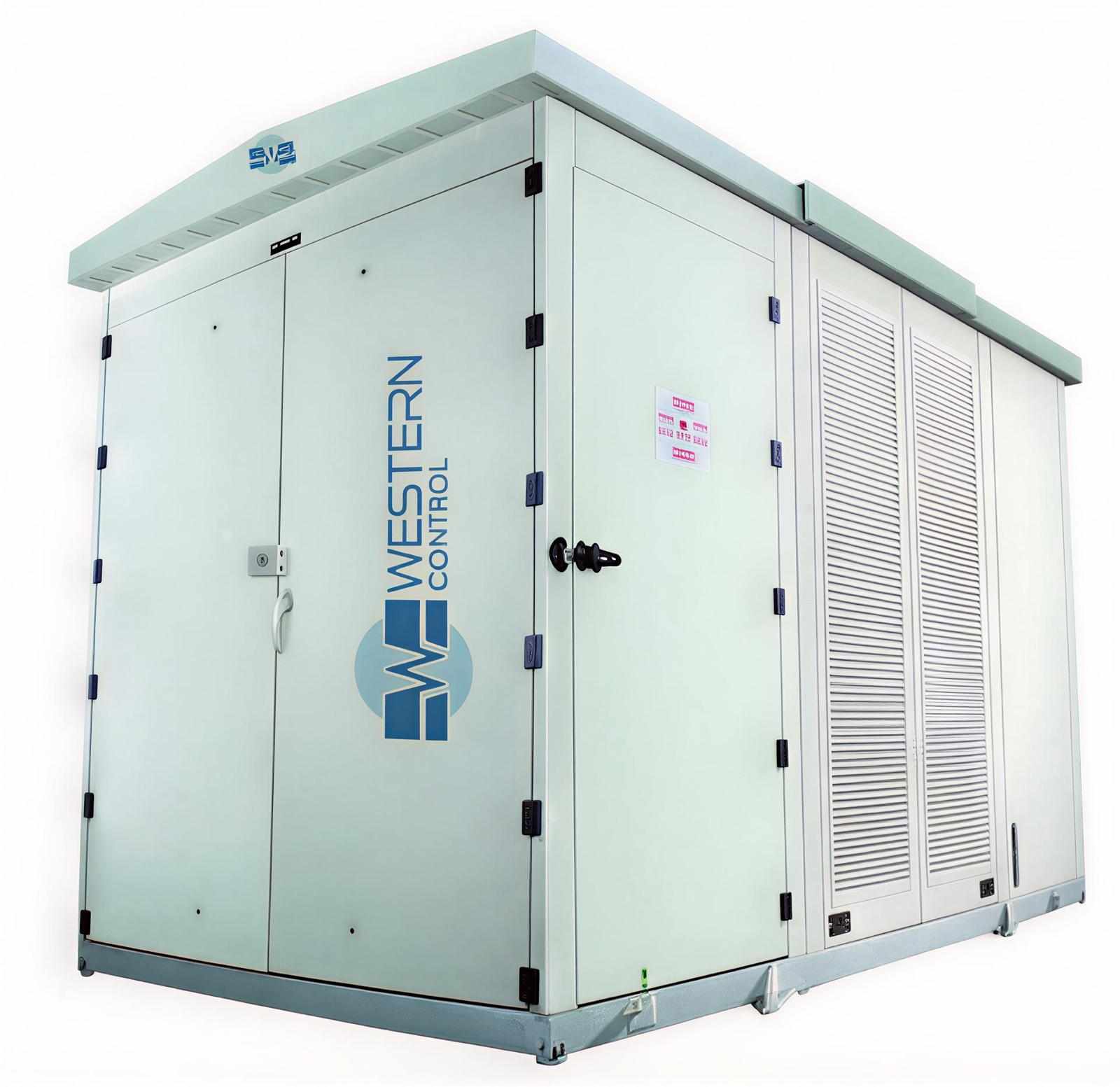
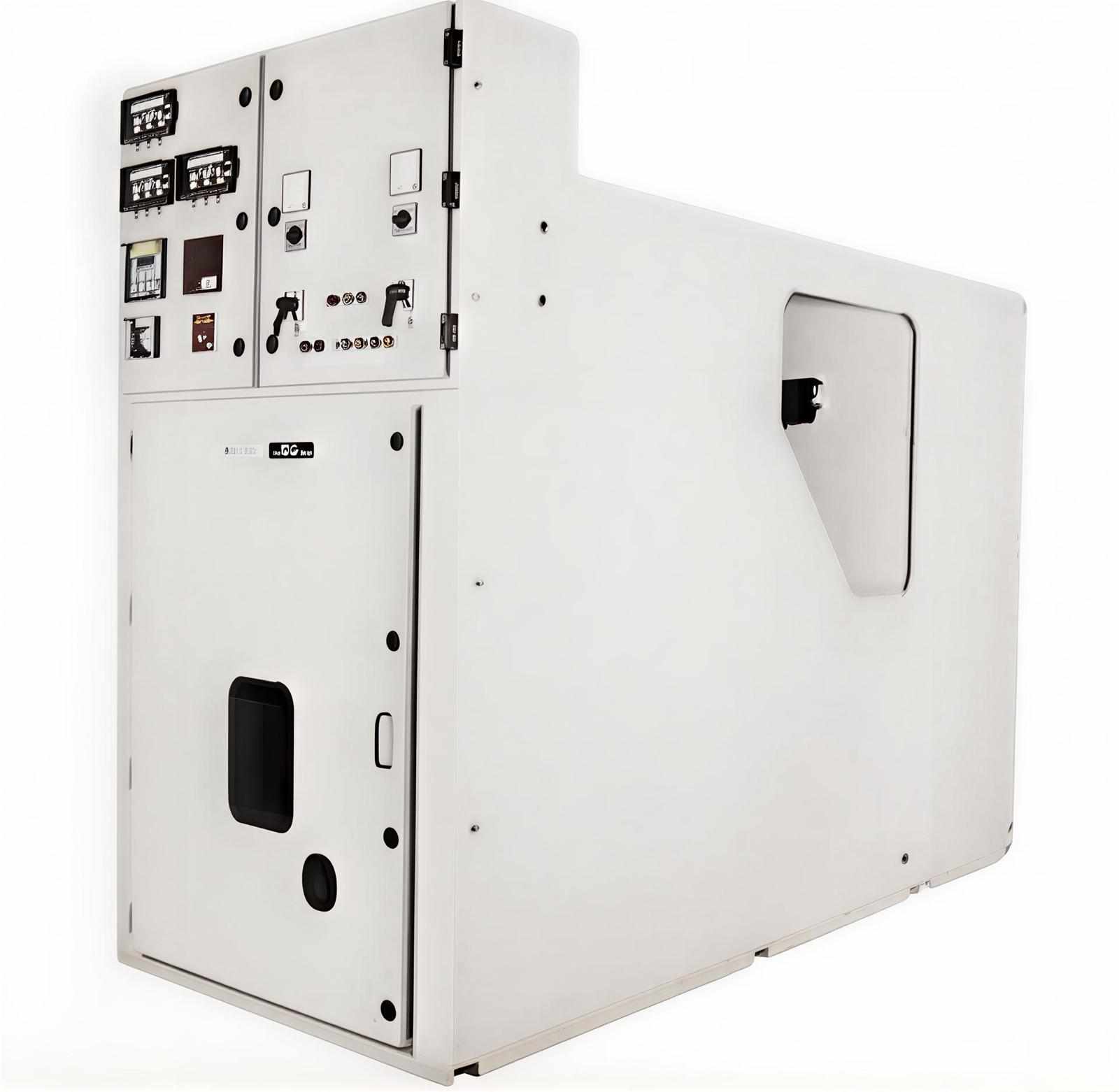
HT panels, or High Tension panels, are used in systems that deal with high voltages, typically above 1000 volts. These panels are commonly found in larger industrial setups, power stations, and large commercial buildings, where substantial electrical power is required for smooth operations. HT panels play a crucial role in the distribution and regulation of electricity across these larger systems.
Features of HT Panels
Voltage Range: HT panels operate at voltages above 1000 volts, typically up to 33 kV or more.
Applications: Used in large industries, commercial establishments, and power stations where high power is needed.
Design: HT panels are more robust and larger in size compared to LT panels, designed to handle high-voltage operations safely.
Protection: HT panels are equipped with specialized protective mechanisms, such as differential protection, to prevent damage during electrical faults.
Advantages of HT Panels
High Capacity: HT panels are capable of handling large amounts of power, which makes them ideal for heavy industries and power stations.
Longer Lifespan: Due to their robust construction, HT panels tend to last longer than LT panels.
Increased Efficiency: They offer high efficiency in power transmission, reducing losses over long distances.
Key Differences Between LT Panels and HT Panels
While both LT panels and HT panels are designed to serve the purpose of power distribution, they differ in several key areas. Below, we highlight the most notable differences:
1. Voltage Level
LT Panels: Operate at a voltage level of up to 1000 volts.
HT Panels: Handle high voltages above 1000 volts, typically ranging from 11 kV to 33 kV.
2. Applications
LT Panels: Suitable for residential buildings, small industries, and commercial units.
HT Panels: Used in large-scale industries, power plants, and transmission stations where high power is required.
3. Size and Design
LT Panels: Smaller in size and lighter in weight, these panels are designed for compact spaces.
HT Panels: Larger and bulkier to accommodate high-voltage systems, these panels are designed to withstand higher electrical loads.
4. Cost
LT Panels: More affordable due to their simpler design and lower voltage capacity.
HT Panels: Higher in cost due to the need for robust construction and the specialized equipment necessary to handle high voltages.
5. Protection Mechanisms
LT Panels: Usually equipped with fuses, circuit breakers, and relays for protection against short circuits and overloading.
HT Panels: These panels require advanced protection mechanisms, such as differential protection, overcurrent protection, and earth fault protection, to safeguard against high-voltage faults.
6. Maintenance
LT Panels: Easier to maintain and require fewer technical skills for repair and servicing.
HT Panels: Require highly skilled technicians for maintenance due to the complexity of their systems and the high voltage they manage.
7. Efficiency
LT Panels: Generally less efficient for large-scale operations compared to HT panels.
HT Panels: Designed for greater efficiency in large-scale power transmission and distribution.
Conclusion
The key differences between LT panels and HT panels are primarily based on the voltage levels, applications, design, and safety features. LT panels are ideal for low-voltage applications such as homes and small industries, while HT panels are suited for high-voltage environments like large industries and power stations. Understanding these differences is crucial for selecting the right type of panel for your needs.
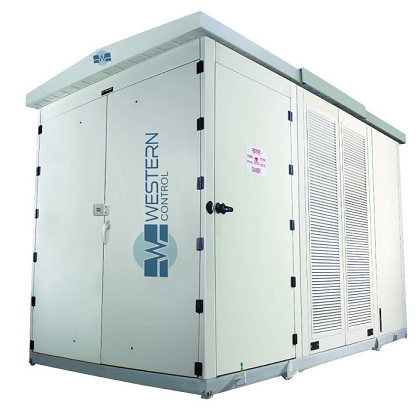
Whether you need LT panels for a small-scale operation or HT panels for a large industrial setup, it's important to choose the right panel to ensure optimal performance and safety. At Western Control Automation Pvt. Ltd., we offer both LT and HT panels tailored to your specific requirements, ensuring that you get the most efficient and reliable power distribution solution.

Write a comment ...