
In today’s industrial and commercial sectors, Pumping Control System Panels play a vital role in ensuring efficient management of pumping operations. Whether it’s for water treatment plants, irrigation systems, oil industries, or large commercial facilities, these panels are designed to provide automation, control, and protection to pumping systems.
In this article, we’ll explore what pumping control system panels are, their features, applications, and why industries are relying on them for efficiency and safety.
What are Pumping Control System Panels?
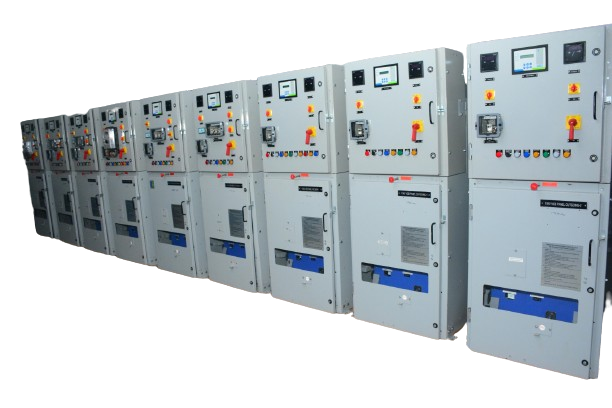
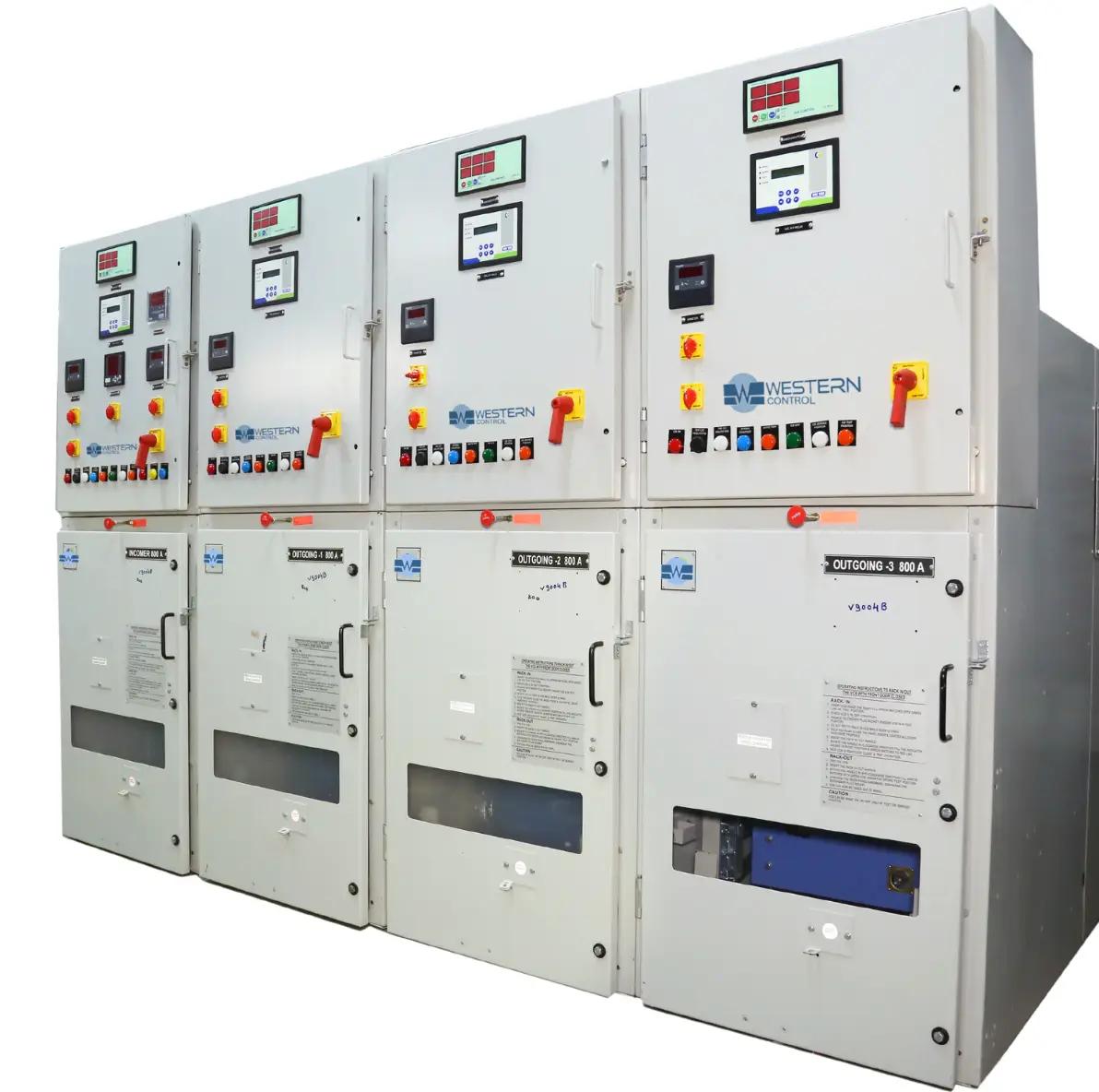
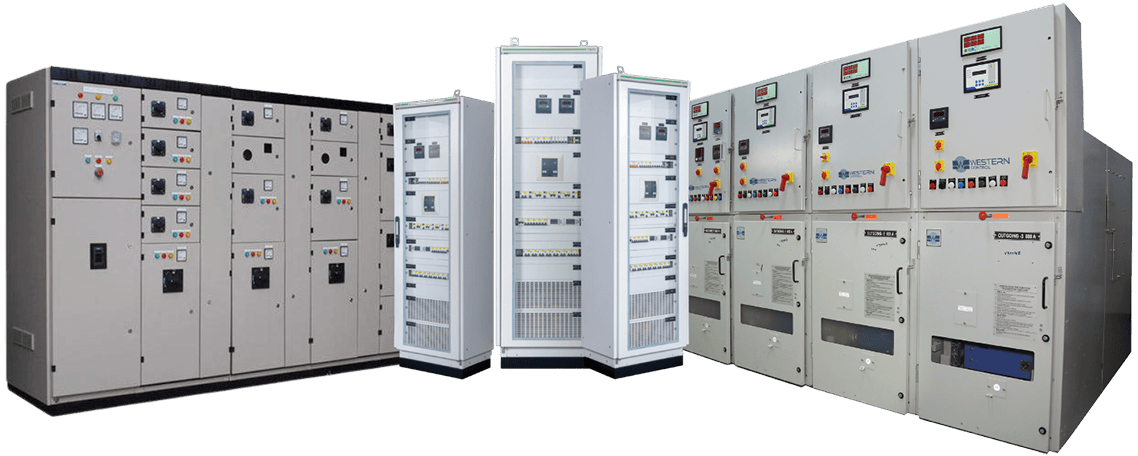
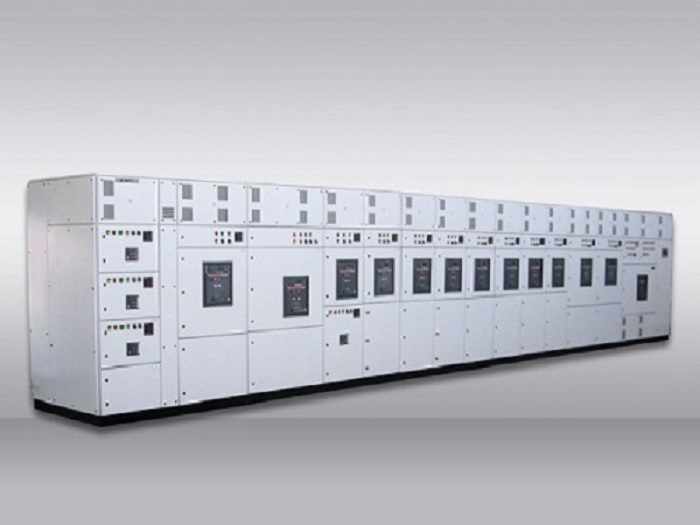
A Pumping Control System Panel is an electrical control system that manages the operation of pumps. It regulates pump performance, ensures safety, and optimizes energy consumption. These panels are widely used in municipal water systems, industries, agriculture, and high-rise buildings where reliable water distribution and fluid handling are essential.
By integrating smart technologies, modern pumping control panels offer automated start/stop functions, monitoring of water levels, overload protection, and real-time performance tracking.
Key Features of Pumping Control System Panels
Automation and Control
Automated functions reduce manual intervention, making operations seamless and efficient.Safety Protection
Equipped with overload, dry-run, and short-circuit protections to safeguard pumps and electrical components.Energy Efficiency
Panels are designed to optimize energy use by operating pumps only when required.Remote Monitoring
Advanced models come with IoT integration, allowing users to monitor and control pump operations remotely.Durability
Built with weather-resistant enclosures for long-lasting performance in industrial and outdoor environments.
Importance of Pumping Control System Panels
Industries and commercial facilities cannot afford downtime in their pumping systems. That’s where Pumping Control System Panels make a difference:
Ensure uninterrupted supply of water and other fluids
Enhance operational efficiency with automated systems
Reduce energy costs through controlled usage
Protect pumps from breakdowns and damage
Simplify maintenance and monitoring
Applications of Pumping Control System Panels
These panels are widely used in:
Water Treatment Plants – To regulate and distribute treated water efficiently.
Agriculture and Irrigation – For controlling irrigation pumps, ensuring balanced water supply.
Industrial Plants – To handle fluids, chemicals, or oils in processing units.
High-Rise Buildings – Managing booster pumps for consistent water supply.
Oil and Gas Industries – Monitoring heavy-duty pumping systems for safe operations.
Pumping Control System Panels and Bus Bar Trunking
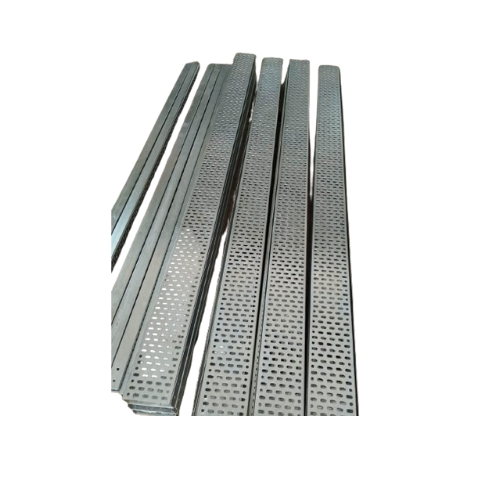
For large industrial setups, Bus Bar Trunking systems are often integrated with Pumping Control System Panels to ensure reliable power distribution. Bus bar trunking offers:
Safe and compact power supply to panels.
Flexibility for future expansion or load changes.
Reduced energy losses compared to traditional cabling.
By combining pumping control panels with Bus Bar Trunking, industries achieve better efficiency, organized installations, and enhanced safety. Whether in a water treatment plant or a high-rise commercial building, this integration ensures uninterrupted pumping operations with minimal maintenance.
Benefits of Using Pumping Control System Panels
Efficiency – Automates pumping operations, reducing manual errors.
Cost Savings – Optimized energy usage helps reduce electricity bills.
Reliability – Ensures smooth functioning of pumps with minimal downtime.
Scalability – Can be upgraded as per the growing needs of industries.
Safety – Protects equipment from electrical faults, overload, and operational risks.
The Future of Pumping Control System Panels
As industries move towards smart automation and sustainable energy management, pumping control system panels are becoming smarter. Features like IoT-based monitoring, AI-driven analytics, and cloud connectivity are transforming these panels into advanced control systems that provide predictive maintenance alerts and energy optimization insights.
This not only reduces downtime but also extends the lifespan of pumps, saving businesses significant operational costs.
Conclusion
Pumping Control System Panels are the backbone of efficient pumping operations in industries, commercial setups, and municipal services. Their ability to automate, protect, and optimize pump systems makes them indispensable in today’s fast-growing sectors.
With the integration of Bus Bar Trunking, these panels ensure smooth and organized power distribution, making industrial operations more reliable and energy-efficient. In modern infrastructure projects, the demand for intelligent and durable pumping control systems is expected to grow rapidly.
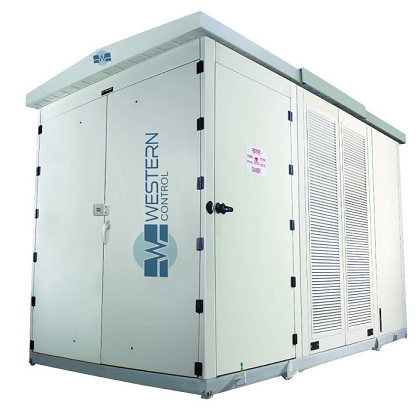
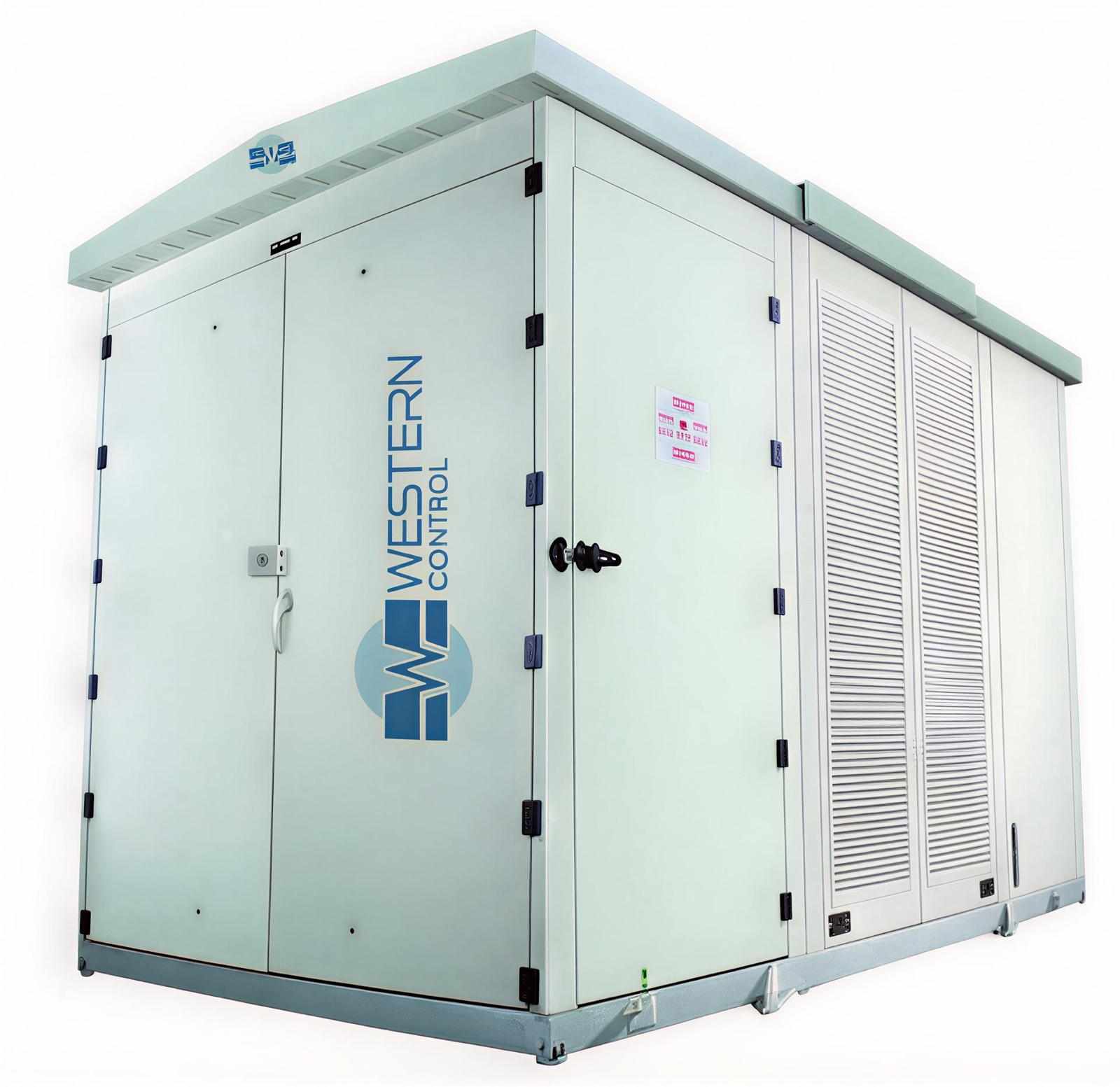
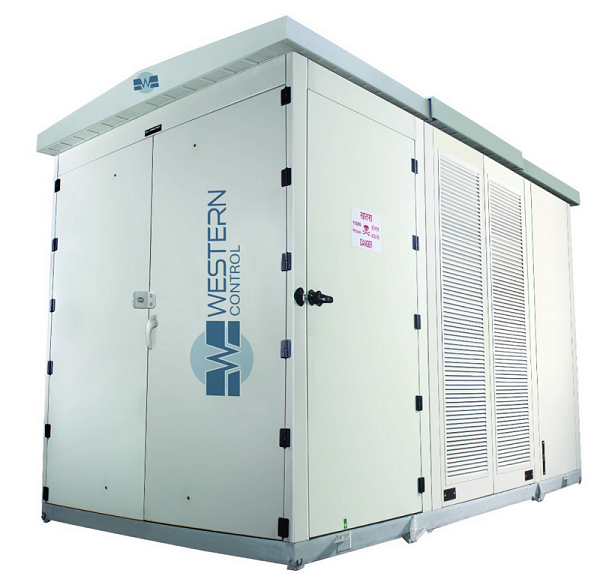
Moreover, in applications like a Compact Substation, pumping control system panels play a crucial role in ensuring reliable power and water supply. As industries adopt Compact Substation technology for space-saving and efficiency, the importance of pumping panels will only increase in the years ahead.
FAQs About Pumping Control System Panels
Q1. What is the function of a Pumping Control System Panel?
It controls and automates the operation of pumps, ensuring safety, efficiency, and optimized energy usage.
Q2. Can Pumping Control Panels be customized?
Yes, they can be customized based on the type of pumps, load requirements, and industry applications.
Q3. How does Bus Bar Trunking enhance pumping control systems?
It provides safe, efficient, and flexible power distribution to pumping control panels, reducing losses and improving reliability.
Q4. Are these panels suitable for outdoor use?
Yes, many panels are designed with weatherproof and dustproof enclosures for outdoor and harsh environments.
Q5. What role do they play in Compact Substations?
They ensure smooth pump operations within Compact Substations, offering both space efficiency and reliable power management.

Write a comment ...