In industries, commercial complexes, and even residential high-rises, the importance of a consistent and reliable power supply cannot be overstated. A sudden power outage can disrupt operations, cause data loss, or damage sensitive equipment. To prevent such disruptions, ATS Panels (Automatic Transfer Switch Panels) are widely used. These panels ensure that the transition between the main power source and backup supply is seamless, allowing operations to continue without interruptions.
In this article, we will explore the role of ATS Panels, their working mechanism, advantages, and applications, while also highlighting how they integrate with other vital electrical systems.
What Are ATS Panels?
An ATS Panel is an automatic switchgear device that monitors the incoming power supply. If the main power source fails or fluctuates beyond safe limits, the ATS immediately transfers the electrical load to a backup generator or alternative power source. Once the main supply is restored, the panel automatically switches back to it.
This automatic transition eliminates the need for manual intervention, reduces downtime, and ensures critical systems remain functional.
Features of ATS Panels
Automatic Switching – Quick transfer of load between utility and backup.
Voltage & Frequency Monitoring – Continuously checks power quality.
Safety Features – Prevents back-feeding and electrical faults.
Compatibility – Works with both low-voltage and high-voltage systems.
Customizable Design – Can be tailored for different industrial or commercial needs.
Importance of ATS Panels
Power outages are more than just inconvenient—they can be costly and dangerous. Hospitals need uninterrupted electricity for life-support systems, data centers must keep servers online, and industries cannot afford downtime in production. ATS Panels serve as the silent guardians in these setups, stepping in instantly when the power supply fails.
By ensuring smooth switching, these panels minimize the risk of data loss, equipment damage, and operational disruption.
Working Mechanism of ATS Panels
Power Monitoring – ATS continuously monitors the status of the main supply.
Detection of Failure – If voltage or frequency goes out of range, ATS detects it immediately.
Generator Start-Up – Sends a signal to start the backup generator.
Load Transfer – Shifts the load to the generator once it is stable.
Return to Normal – When utility power is restored, ATS switches back seamlessly.
This process happens in seconds, ensuring uninterrupted operations.
ATS Panels and Power Control Center Panels
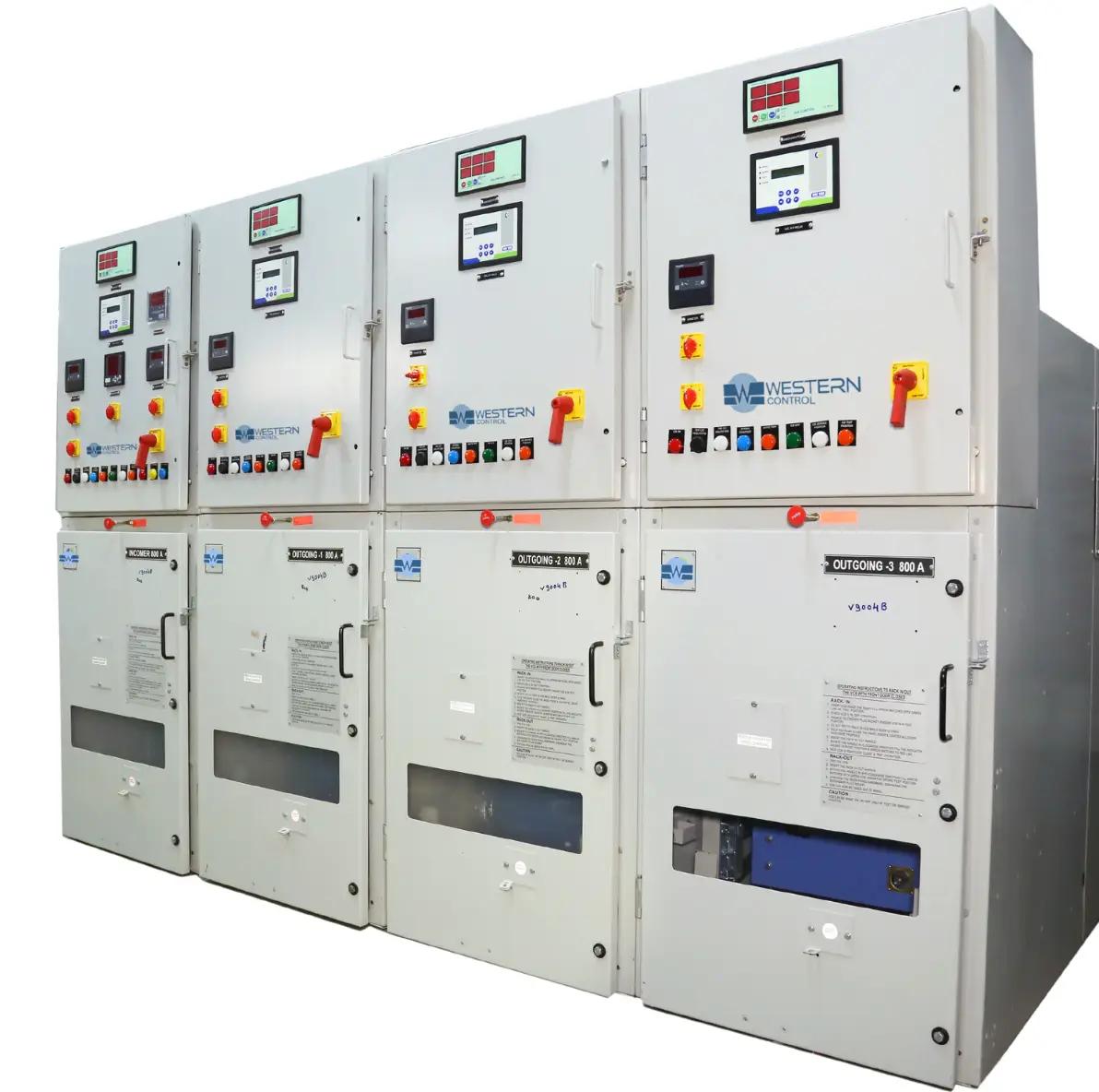
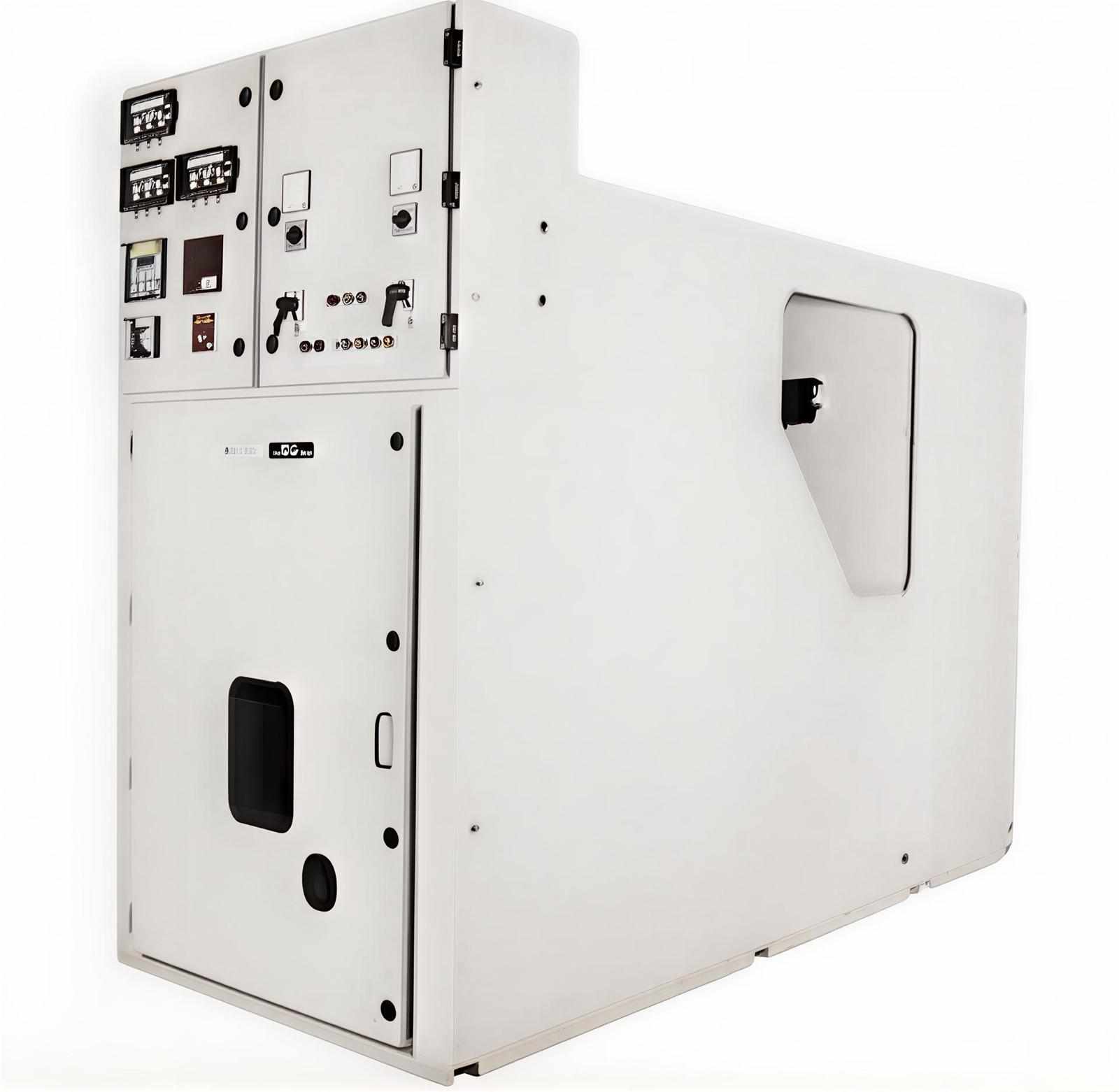
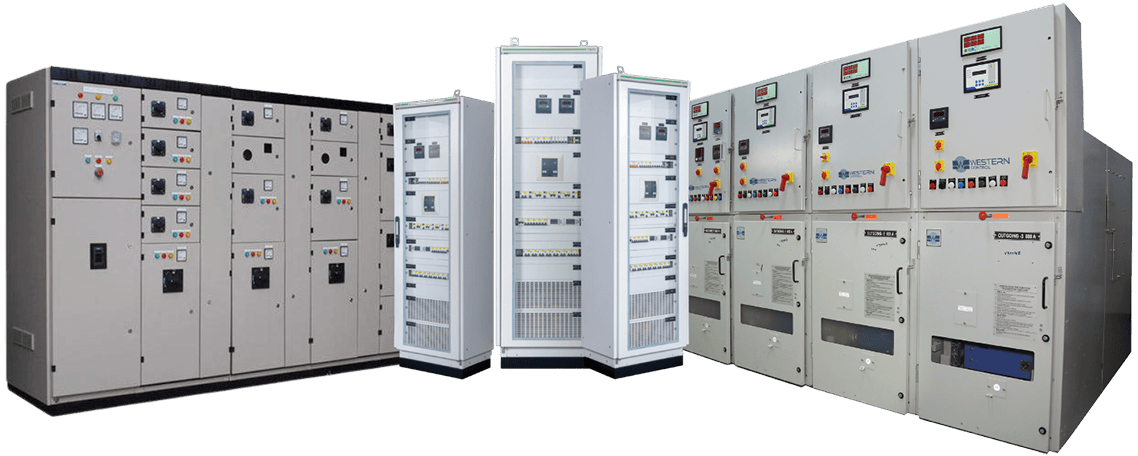
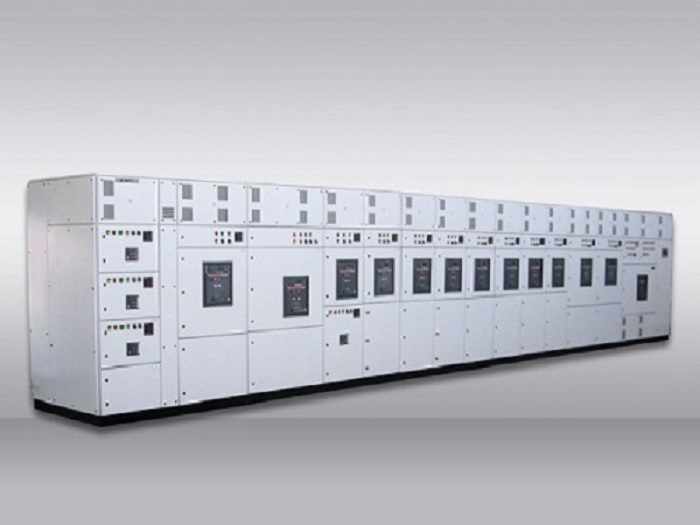
In large-scale industries, ATS Panels are often integrated with Power Control Center Panels. While the ATS ensures automatic power transfer, Power Control Center Panels distribute electricity across machines, production lines, and building systems.
This combination not only guarantees power availability but also ensures efficient power distribution. By working together, ATS Panels and Power Control Center Panels enhance reliability, safety, and energy management in industrial environments.
Applications of ATS Panels
Hospitals and Healthcare Facilities – Keeping critical systems operational during outages.
Data Centers – Ensuring continuous server uptime.
Manufacturing Plants – Preventing production losses.
Commercial Buildings – Maintaining elevators, HVAC, and security systems.
Oil, Gas, and Mining Operations – Providing backup for remote and critical operations.
Benefits of ATS Panels
Uninterrupted Power Supply – Ensures continuous operations.
Enhanced Safety – Reduces the risk of electrical mishaps.
Cost Efficiency – Prevents losses from downtime and equipment damage.
Convenience – Automatic switching eliminates the need for manual handling.
Scalability – Can be adapted for small setups as well as large industries.
Future of ATS Panels
With the rise of automation, smart grids, and renewable energy integration, ATS Panels are evolving. Modern panels are equipped with remote monitoring, IoT-based controls, and predictive maintenance features. This makes them more intelligent, reliable, and suitable for next-generation energy systems.
In the future, industries will increasingly rely on ATS solutions that integrate with smart power management systems for optimized performance.
Conclusion
ATS Panels are a vital part of modern power management systems. They provide the reliability, safety, and automation needed to ensure that critical systems never face downtime. By automatically transferring loads between primary and backup power sources, these panels protect businesses, industries, and facilities from the risks of power interruptions.
When combined with Power Control Center Panels, ATS Panels deliver a complete solution for both availability and distribution of electricity. This integration not only enhances efficiency but also ensures that industries stay productive even in challenging conditions.
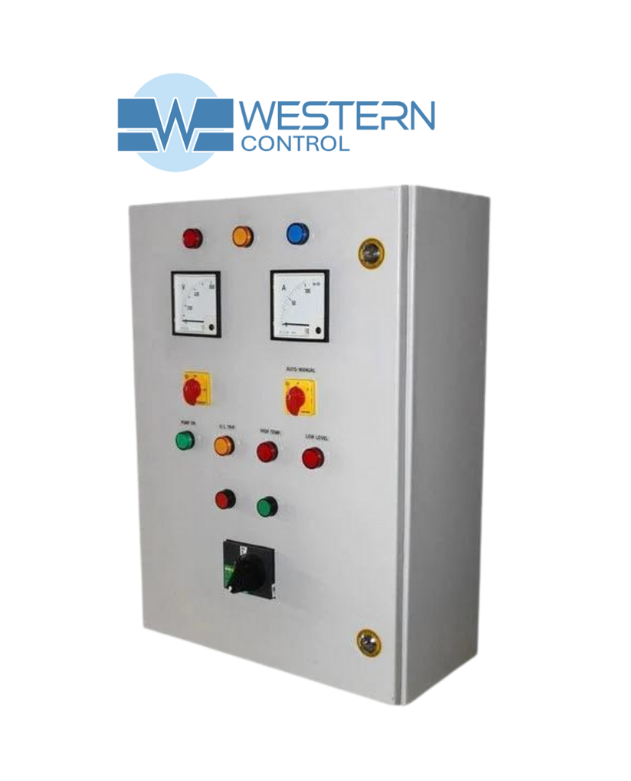
Moreover, their effectiveness grows when supported by advanced monitoring systems such as Instrumentation Panels. These panels provide detailed insights into performance, energy usage, and operational safety. The synergy between ATS Panels and Instrumentation Panels ensures that power transfer is not only seamless but also intelligently monitored. By adopting both, industries achieve higher levels of reliability, efficiency, and operational confidence. In fact, Instrumentation Panels serve as the perfect companion to ATS systems, guaranteeing long-term stability and safety for complex electrical networks.

Write a comment ...