

Compact substations are becoming a popular choice for modern power distribution systems due to their space-saving design, cost-efficiency, and ability to cater to urban, rural, and remote energy demands. These miniaturized substations combine essential power equipment into a single unit, making them ideal for areas where space is limited or traditional substation construction would be impractical. This article delves into the essential components of portable substations and their important roles in ensuring the efficient and dependable distribution of electrical power, a field where Western Control Automation Pvt. Ltd. excels in providing innovative solutions.
What is a Compact Substation?
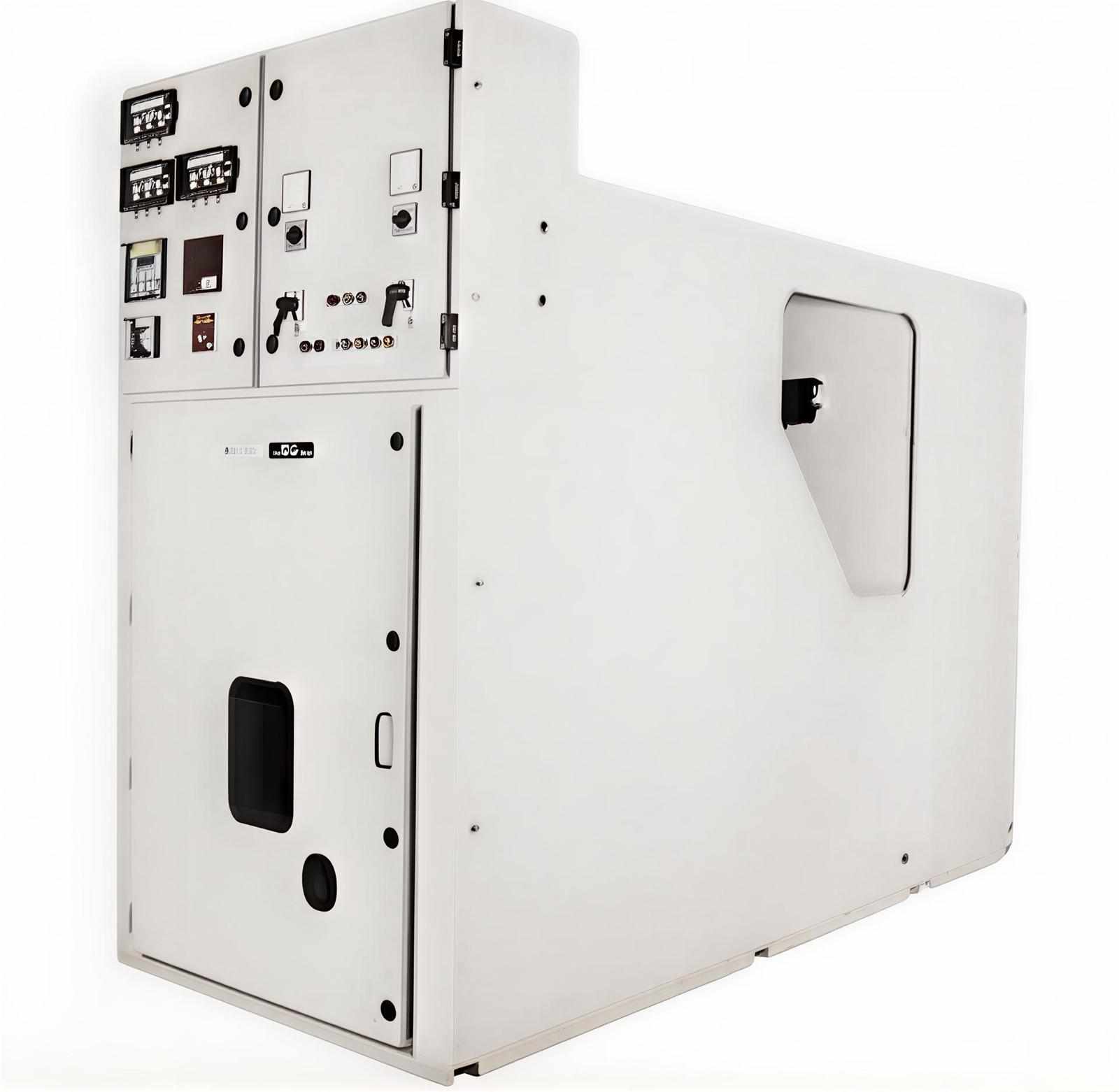
A Compact substations, also known as a modular or containerized substation, is a pre-assembled and factory-tested electrical system that integrates several components traditionally found in a conventional substation into one compact unit. These units are typically housed in weatherproof containers and are designed for easy installation and maintenance, offering a more efficient and flexible solution for urban power grids and industrial applications.
Key Components of Compact Substations
High-efficiency Substations consist of several critical components, each designed to perform a specific function within the power distribution system. Listed below are the key components and their respective functions:
1. Transformer
The transformer is a critical element in a Compact Distribution Systems. It is designed to reduce the high voltage from the transmission network to a lower level, making it suitable for local distribution. In compact substations, transformers are typically oil-filled or dry-type, depending on the environmental conditions and space requirements. The transformer ensures that electrical energy is delivered at the correct voltage level to meet the needs of residential, commercial, or industrial consumers.
Function:
Steps down high-voltage transmission power to usable, lower voltage.
Ensures safety and efficiency in energy distribution.
2. Switchgear
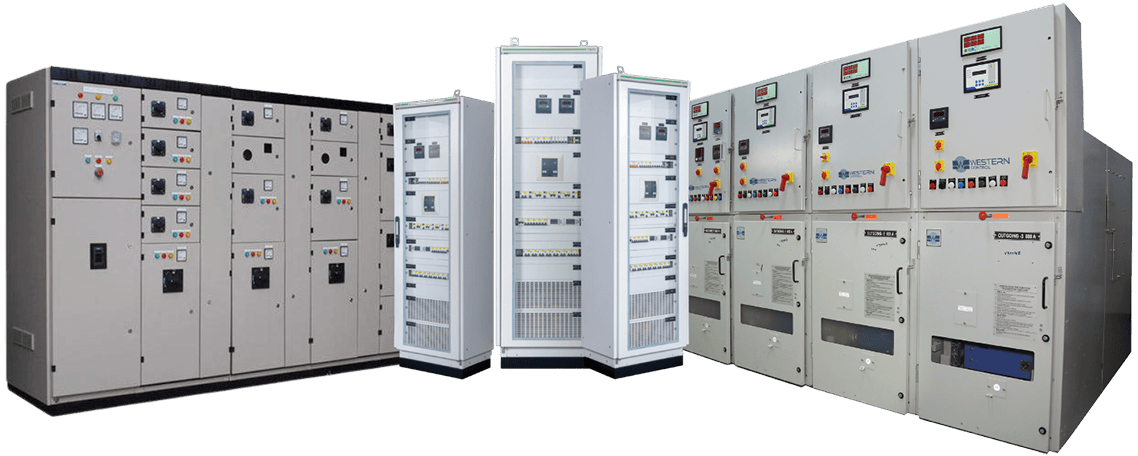
Switchgear consists of a range of electrical components, including disconnects, fuses, circuit breakers, and other protective devices, which are crucial for managing, safeguarding, and isolating electrical systems. In compact substations, switchgear is crucial for protecting the transformer and other components from faults or overloads that could damage the system. It also provides operators with the ability to isolate equipment for maintenance or troubleshooting without affecting the entire grid.
Function:
Ensures the safe operation of the substation.
Protects against electrical faults and overloads.
Allows for safe maintenance and system isolation.
3. Busbars
Busbars are conductive metal bars or strips used to carry and distribute electrical current within a substation. In a compact substation, busbars are typically made from copper or aluminum and serve as the central point where power is distributed to various outgoing feeders. These components allow for the efficient routing of electricity from the transformer to the connected loads.
Function:
Distributes electrical power within the substation.
Ensures smooth and reliable current flow to outgoing feeders.
4. Control Panel
The control panel in a compact substation houses all the electrical and communication control equipment necessary for monitoring and managing the substation’s operations. It includes controls for the operation of switchgear, transformers, and other substation components, and often features a user interface with displays that show real-time data such as voltage levels, current, and fault indicators. In modern Compact Distribution Systems, control panels are integrated with remote monitoring capabilities, allowing operators to oversee the system from afar.
Function:
Provides operational control and monitoring of substation components.
Enables real-time data collection and system diagnostics.
Facilitates remote control and automation for efficient operation.
5. Feeder Panel
The feeder panel is responsible for distributing electricity from the substation to various local networks or consumers. It typically contains a set of circuit breakers and protection relays that safeguard against overloads or short circuits in the outgoing lines. In High-efficiency Substations, the feeder panel may be integrated into the same enclosure as the transformer and switchgear, further optimizing space utilization.
Function:
Controls the flow of electricity to local users or networks.
Provides overload protection for outgoing feeders.
6. Protection and Relay Panel
Protection and relay panels are essential for detecting faults within the substation and preventing damage to equipment. These panels consist of relays, fuses, and circuit breakers that detect anomalies like short circuits or overcurrent situations. When a fault is detected, the relay panel triggers the circuit breaker to disconnect the faulty section from the system, thereby protecting the rest of the network from damage.
Function:
Detects faults and abnormal conditions.
Isolates faulty sections to maintain system integrity.
Prevents equipment damage and improves safety.
7. Lighting and Ventilation Systems
Proper lighting and ventilation are critical for the safe operation and maintenance of Portable Substations. These systems ensure that operators can work efficiently and safely, even in low-light conditions. Additionally, ventilation helps prevent the overheating of electrical components, such as transformers, which can lead to failure or reduced lifespan.
Function:
Provides proper lighting for maintenance and operations.
Ensures the safe operation of electrical components by maintaining temperature regulation.
8. Earthing System
The earthing system is designed to protect both the substation equipment and personnel by ensuring that any leakage currents or fault currents are safely diverted to the ground. Proper earthing minimizes the risk of electric shock and helps in the smooth operation of the substation by stabilizing voltage levels.
Function:
Protects equipment and personnel by directing fault currents safely to the ground.
Stabilizes voltage levels and prevents electric shocks.
Advantages of Compact Substations
Space Efficiency: Compact Electrical Stations are ideal for locations where land is limited, such as in urban environments, where space is at a premium.
Cost-Effective: Since Compact Grid Stations integrate several components into one unit, they reduce the need for extensive infrastructure, lowering installation and operational costs.
Quick Installation: Pre-fabricated Compact Grid Stations are factory-tested and come ready for installation, which reduces installation time and disruptions in service.
Flexibility: These substations can be easily relocated or expanded depending on future energy demands.
Conclusion
Compact substations play a crucial role in modern power distribution systems. By incorporating key components like transformers, switchgear, busbars, control panels, and protection systems into a single unit, these substations provide an efficient and reliable means of delivering electricity to consumers. With their space-saving design, ease of installation, and reduced maintenance costs, Miniature Substations are poised to become a significant part of the future of energy distribution. Understanding the functions of these key components is essential for those looking to optimize their energy infrastructure and meet the demands of a rapidly evolving power grid. Embracing CG CSS (Compact Substations) will help ensure that cities and industries can meet the challenges of tomorrow’s energy demands.


Write a comment ...